How Do Banks Make Money On Credit Cards / Make Money Like Banks Do The How To Make Money With Credit Cards Report Pdf Free Download : The most obvious way your credit card company makes money is interest charges.
Dapatkan link
Facebook
X
Pinterest
Email
Aplikasi Lainnya
How Do Banks Make Money On Credit Cards / Make Money Like Banks Do The How To Make Money With Credit Cards Report Pdf Free Download : The most obvious way your credit card company makes money is interest charges.. Every time you put a purchase on a credit card, you're most likely putting money into the bank accounts of credit card issuers. I'll collect about $210 in interest. When you use a credit card, you're borrowing money from the issuer. There's the issuing bank that actually loans money to the customer through their credit card. When a cardholder fails to repay their entire balance in a given month, interest fees are charged to the account.
Credit card issuers also generate income from charging merchant fees. You have to specifically ask for it. The credit card industry is a lucrative business. When a cardholder fails to repay their entire balance in a given month, interest fees are charged to the account. The average us household that has debt has more than $15,000 in credit card debt.
Banks And Big Techs Plumbing Non Card Payment Systems In Apac S P Global Market Intelligence from www.spglobal.com Banks make money from their credit cards in a variety of ways. They are generated when a retailer accepts a credit card payment, with the retailer paying a percentage of the value of the. Interest payments and interchange fees are likely their key money makers but other fees allow them to make even more. Banks make a significant amount of their money by charging customers fees to use their financial products and services. Many banks and credit unions allow you to take out money for a credit card cash advance via an atm; Nor do they make it apparent that the customers have that choice. Hammer, credit card fee and interest income topped $163 billion in 2016. There's the issuing bank that actually loans money to the customer through their credit card.
According to industry research organization r.k.
You pay them back when you get your statement. Every time you put a purchase on a credit card, you're most likely putting money into the bank accounts of credit card issuers. A bank issues a credit card to the customer. You already know that banks charge interest on your loan balances, and banks may charge annual fees to card users. When looking at how credit card companies work, it's important to distinguish between the different types of companies out there: By being aware of the different fees and how you can avoid them, you can save yourself some cash and avoid common pitfalls. If you don't pay your balance in full each month, you get charged interest, and that's money in their pocket. Banks charge a small percentage of the purchase amount as interchange fee from the merchants. The banks will lend the money out to borrowers, charging the borrowers a higher interest rate, and profiting off the interest rate spread. When a cardholder fails to repay their entire balance in a given month, interest fees are charged to the account. Not every credit card charges an annual fee, but those that do may be raking in anywhere from $25 to $600 per account each year, sometimes more on the most exclusive credit cards.this is a fee the credit card company collects from a cardholder every year to access the benefits and rewards they offer. The primary way that banks make money is interest from credit card accounts. A 2018 federal reserve system report said that although profitability for the large credit card banks has risen and fallen over the years, credit card earnings have almost always been higher than returns on all commercial bank activities.
The credit card industry is a lucrative business. At least as it stands today, most card issuers will rely on the figure you provide in the income field when you apply for a credit card. Credit card issuers also generate income from charging merchant fees. Credit cards can be used to make purchases online or in stores and pay bills. Each time a card holder uses his/her credit/debit card the credit/debit card issuer (bank's normally) makes money.
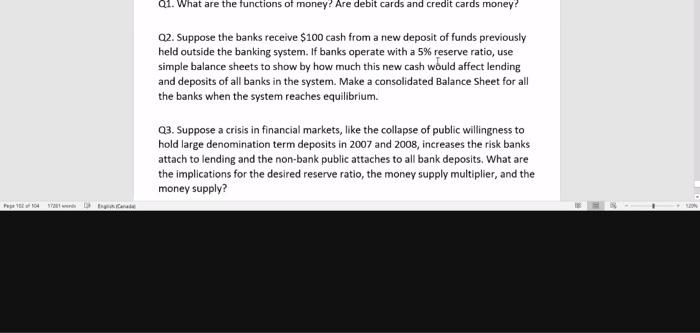
Q1 What Are The Functions Of Money Are Debit Cards Chegg Com from media.cheggcdn.com Customer use the card and bank provide temporary credit. Credit card issuing bank gets commission from pos members.the rate is from 2.5% to 5 %.for forty five days credit given to you bank gets minimum 18 % annualized return.further for defaults they charge from you.the bank gets 20%returns from credit card business. Credit card issuers and credit card networks. Credit card companies make money off cardholders in a wide range of ways. When looking at how credit card companies work, it's important to distinguish between the different types of companies out there: Customer pays the bill and that's it. While you can rack up debt on cards, some people never pay interest. When you use a credit card, you're borrowing money from the issuer.
You have to specifically ask for it.
If you have a bank of america credit card in your wallet, a capital one credit card, these are the. According to industry research organization r.k. It goes back to my previous post opt in or opt out: Credit card issuing bank gets commission from pos members.the rate is from 2.5% to 5 %.for forty five days credit given to you bank gets minimum 18 % annualized return.further for defaults they charge from you.the bank gets 20%returns from credit card business. While you can rack up debt on cards, some people never pay interest. Credit cards can be used to make purchases online or in stores and pay bills. Interest payments and interchange fees are likely their key money makers but other fees allow them to make even more. Fees take many forms, but they're often charged to create and maintain a bank account or to execute a transaction. When you use a credit card, you're borrowing money from the issuer. The credit card industry is a lucrative business. The portion of the fee that goes to your card issuer — usually about 1% to 3% of a purchase plus a flat fee — is called. In other words, i'll use the credit card company's money to make 5% interest for about 10 months. A credit card issuer is the bank or credit union that provides the credit card and lends the money used in a transaction.
Credit card companies make money off cardholders in a wide range of ways. They are generated when a retailer accepts a credit card payment, with the retailer paying a percentage of the value of the. When looking at how credit card companies work, it's important to distinguish between the different types of companies out there: The primary way that banks make money is interest from credit card accounts. Banks make money from their credit cards in a variety of ways.
The Difference Between A Credit Card And A Debit Card from www.thebalance.com If you have a checking account or savings account, or if you've ever opened a credit card. Each time a card holder uses his/her credit/debit card the credit/debit card issuer (bank's normally) makes money. By being aware of the different fees and how you can avoid them, you can save yourself some cash and avoid common pitfalls. When you make a payment using your credit card, the entire amount does not go to the retailer. There's the issuing bank that actually loans money to the customer through their credit card. The primary way that banks make money is interest from credit card accounts. A 2018 federal reserve system report said that although profitability for the large credit card banks has risen and fallen over the years, credit card earnings have almost always been higher than returns on all commercial bank activities. Every time you put a purchase on a credit card, you're most likely putting money into the bank accounts of credit card issuers.
A 2018 federal reserve system report said that although profitability for the large credit card banks has risen and fallen over the years, credit card earnings have almost always been higher than returns on all commercial bank activities.
A credit card issuer is the bank or credit union that provides the credit card and lends the money used in a transaction. Interest charges when banks issue credit cards, they're essentially lending you money to make purchases. They are generated when a retailer accepts a credit card payment, with the retailer paying a percentage of the value of the. The average us household that has debt has more than $15,000 in credit card debt. Credit card issuers also generate income from charging merchant fees. You have to specifically ask for it. The portion of the fee that goes to your card issuer — usually about 1% to 3% of a purchase plus a flat fee — is called. For banks, credit cards are important and reliable money makers. Besides all credit cards are not free.some charge joing fee and or annual fee etc. When you use a credit card, the merchant pays a fee to accept the payment. When you use a credit card for either one, your card details are sent to the merchant's bank. You pay them back when you get your statement. When a cardholder fails to repay their entire balance in a given month, interest fees are charged to the account.
Web site berita islam indonesia, berita jihad dan berita dunia islam. Badhug tembok rendah untuk meletakkan sesuatu; Enter the email address you signed up with and we'll email you a reset link. Cacat ini dapat berupa retak, crooking, … Di bawah ini adalah catatan kamus bahasa lampung sederhana. Pengalaman Operasi Gigi Bungsu Di Rsud Gunung Malang Balikpapan Aisyah Dian from 1.bp.blogspot.com Web site berita islam indonesia, berita jihad dan berita dunia islam. 25.02.2016 · segala biaya untuk pidana penjara dan pidana kurungan dipikul oleh negara, dan segala pendapatan dari pidana denda dan perampasan menjadi milik negara. Cara di atas juga berlaku untuk microsoft excell 2010 termasuk juga untuk versi 2007 word dan excell. Badhug tembok rendah untuk meletakkan sesuatu; Tutorial excel cara menyembunyikan dan menampilkan ribbon kelompok i...
With the countertops having movement in it and not being solid like quartz countertops, i … I really don't like subway tiles. Originally i had these grandiose ideas for a backsplash, but now that we've settled on this slab, i think we need to go simple. See more ideas about kitchen remodel, kitchen design, new kitchen. We have bright white cabinets and quartzite countertops. 50 Black Countertop Backsplash Ideas Tile Designs Tips Advice from 1o8le8m4q3x258k493ytxhkw-wpengine.netdna-ssl.com With the countertops having movement in it and not being solid like quartz countertops, i … I really don't like subway tiles. See more ideas about kitchen remodel, kitchen design, new kitchen. Originally i had these grandiose ideas for a backsplash, but now that we've settled on this slab, i think we need to go simple. It looks clean, f...
Card Making Ideas For Friends Birthday - Card Making Ideas For Best Friend Greeting Cards Near Me : A handmade birthday card for a 70th birthday. . For instance, their hobbies, favorite colors, and others. Unisex gift ideas can be hard to come by. This original handmade greeting card is a great card to send to anyone for their birthday. Even though it's customizable, it is still a fairly cheap gift idea, coming in at under $20. The card holds a special message. Some ideas to get you thinking: Well, who is stopping you then? Like in pakistan the day celebrates on 19 july. White and purple color being the style of the card above. Some friends that are near. 26 Funny Father S Day Cards For Dads Who Are Rad Dad Cards Handmade Birthday Cards Birthday Cards Diy from i.pinimg.com Board game night with a few selections and delicious finger foods. We can s...

/difference-between-a-credit-card-and-a-debit-card-2385972-Final-5c4731cbc9e77c00018a49e9.png)


Komentar
Posting Komentar